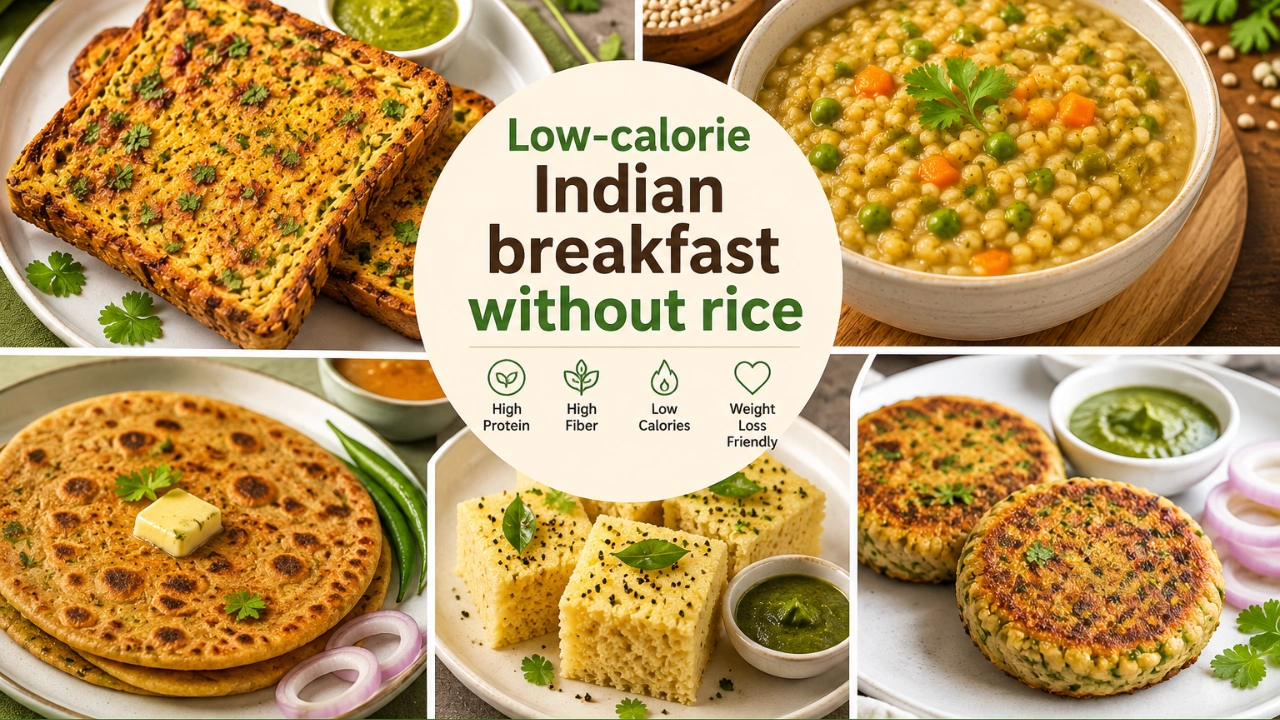
Why Choose a Low-Calorie Indian Breakfast Without Rice?
If you’re trying to lose weight or simply want to eat a lighter breakfast, you don’t have to rely on the same bowl of oats or skip breakfast altogether.
Indian breakfasts can be filling, comforting, and flavorful even when you don’t use rice.
I especially like breakfast ideas that are simple enough for a busy morning and don’t make me feel like I’m eating “diet food.” Ingredients such as besan, barley, sattu, sprouts, paneer, vegetables, and curd make it easy to put together a breakfast that is both satisfying and practical.
In this post, I’m sharing 5 low-calorie Indian breakfast ideas without rice that you can rotate through the week. I’ve included quick cooking tips, approximate calories, serving ideas, and the situations where I would choose each one.
Quick note: Calories are approximate and can change depending on ingredient brands, portion sizes, and the amount of oil used.
Do You Really Need to Stop Eating Rice for Weight Loss?
One thing I noticed when I started looking for lighter breakfast ideas was that “no rice” and “low calorie” are not always the same thing.
I don’t think rice needs to be completely avoided just because you’re trying to lose weight. For me, the bigger difference is how much I eat, what I eat with it, and how filling the meal is.
A breakfast made mostly with refined carbohydrates can leave me hungry again quite quickly. That’s why I prefer adding ingredients such as besan, moong dal, sprouts, paneer, barley, or curd when I want a breakfast that keeps me satisfied for longer.
So, if you are trying to reduce rice at breakfast, I wouldn’t simply replace rice with another large portion of bread or another flour-based food. Instead, I try to build breakfast around protein + fiber + a sensible portion of carbohydrates.
That makes these rice-free Indian breakfast ideas much more practical for everyday eating.
What I Actually Look for in a Weight-Loss Breakfast
When I make breakfast on a busy morning, I don’t want something that requires too much preparation. If a recipe takes too long or needs ingredients that I don’t normally keep in my kitchen, I know I probably won’t make it regularly.
For me, a good breakfast should be:
- Quick enough for a busy morning
- Filling without feeling too heavy
- Made with simple ingredients
- Higher in protein and fiber
- Easy to adjust depending on what vegetables or ingredients I have at home
- Tasty enough that I don’t feel like I’m eating “diet food”
This is also why I included different types of breakfasts in this list. Some mornings I would choose the quick besan toast, while on days when I have a little more time, a bowl of barley khichdi or sattu paratha feels more satisfying.
Quick Comparison Table
| Breakfast Option | Key Ingredient | Why it’s Special for Weight Loss |
Calories (Approx) |
| 1. Besan Bread Toast/ Toast | Gram Flour (Besan) + Whole Wheat/Brown Bread | High-protein eggless french toast style. Super quick to make. | ~190 kcal (2 toasts) |
| 2. Barley Vegetable Khichdi | Barley (Vaarlgothumai) + Veggies | Barley has a very low glycemic index and is excellent for belly fat reduction. | ~160 kcal (1 bowl) |
| 3. Roasted Chana Dal (Sattu) Paratha | Sattu flour (Pottukadalai maavu stuffing) + Wheat | Pure plant-based protein staple that keeps you full till lunch. | ~210 kcal (1 medium paratha) |
| 4. Rava Dhokla (Steamed Semolina Cakes) | Suji (Rava) + Curd | Steamed food, zero oil, extremely light on the stomach. | ~150 kcal (3 pieces) |
| 5. Sprouts & Paneer Tikki / Cutlet | Moong Sprouts + Low-fat Paneer | Crispy pan-fried cutlet. High fiber + high protein combo. | ~170 kcal (2 tikkis) |
1. Quick Besan Bread Toast (Eggless French Toast)
Jump to RecipeThis is one of the easiest options in this list when I want something quick but don’t want a plain slice of bread for breakfast.
Besan makes a simple bread toast more satisfying, while onion, coriander, chilli, and spices give it plenty of flavor.
It is also a useful option if you don’t eat eggs but still enjoy the idea of a savory French-toast-style breakfast.
Why I Like This One
The best thing about this recipe is how little preparation it needs.
You mix the besan batter, dip the bread, and cook it on a hot tawa with a small amount of oil.
It’s particularly handy on mornings when I don’t want to spend a lot of time in the kitchen.
What Makes It More Filling?
Besan provides protein, while whole wheat bread provides carbohydrates and some fiber.
You can also add finely grated vegetables such as:
- Carrot
- Spinach
- Onion
- Capsicum
This is an easy way to add more volume and vegetables without making the recipe complicated.
Quick Cooking Method
- Mix besan, onion, turmeric, coriander, chilli, and salt.
- Add water gradually to make a smooth batter.
- Dip each slice of bread into the batter.
- Heat a tawa and lightly grease it with oil.
- Place the coated bread on the hot tawa.
- Cook on both sides until golden and cooked through.
Approximate Nutrition
For 2 toasts:
- Calories: ~190 kcal
- Protein: ~9 g
- Carbohydrates: ~28 g
- Fat: ~4 g
These numbers are approximate and can change depending on the bread, besan, and oil used.
My Tip
If you want a little more fiber and vegetables, mix grated carrot or finely chopped spinach directly into the besan batter.
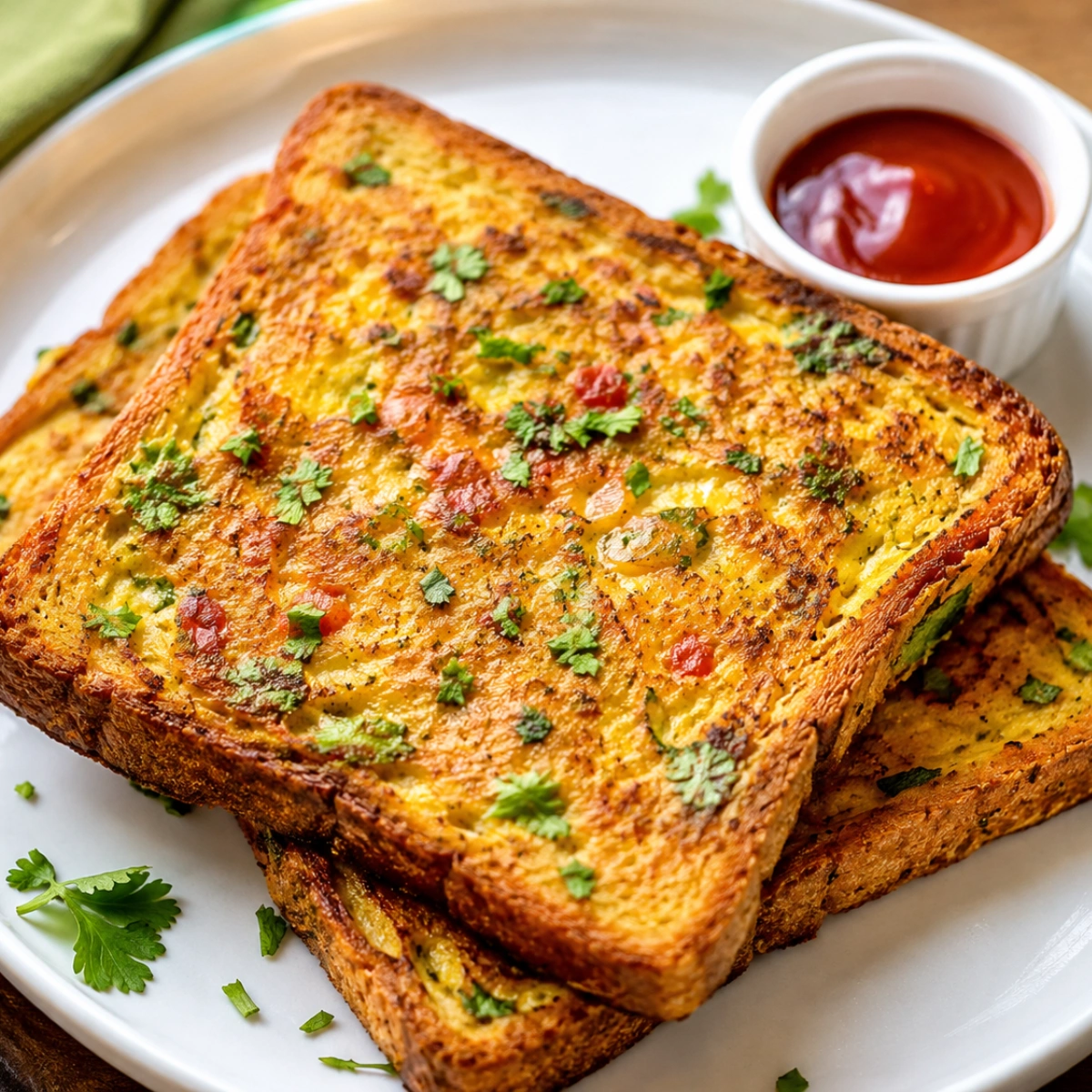
Ingredients
Method
- Prepare the Slurry: In a wide mixing bowl, add 4 tablespoons of besan, turmeric powder, red chili powder, ajwain, and salt. Mix the dry ingredients well.
- Make the Batter: Gradually add water and whisk into a smooth, lump-free batter. The consistency should be thin and pourable (similar to an egg omelet mixture).
- Add Veggies: Fold in the finely chopped onions, tomatoes, green chilies, and fresh coriander leaves into the batter. Mix thoroughly.
- Heat the Tawa: Heat a non-stick tawa or skillet over medium heat. Brush it lightly with half a teaspoon of oil or ghee.
- Dip and Place: Take one slice of whole wheat bread, dip it quickly into the besan batter on both sides so it coats evenly (do not soak it for too long, or the bread will break). Place it immediately onto the hot tawa. Spoon some extra veggies from the bowl onto the top of the bread.
- Toast to Perfection: Cook on medium-low heat for 2–3 minutes until the base turns golden-brown and crispy. Flip the toast, apply the remaining oil around the edges, and cook the other side for another 2 minutes until the raw smell of besan is completely gone.
- Serve: Repeat the process for the second slice. Cut diagonally and serve hot with fresh mint-coriander chutney.
Notes
- Calorie Saver: Always use a well-seasoned cast-iron or high-quality non-stick pan so you can crisp up the toast using less than 1 teaspoon of oil.
- Protein Customization: you can sprinkle 10 grams of grated low-fat paneer on top of the toast while cooking for an extra protein kick.
- Gluten-Free Alternative: For a 100% gluten-free option, you can replace wheat bread with good quality millet bread.
My Tip for Busy Mornings
One thing I have learned from making quick breakfasts is that convenience matters just as much as nutrition.
Even if a breakfast is healthy, I won’t want to make it on a hectic morning if there are too many steps involved.
So I like keeping a few basics ready whenever possible. Besan, whole wheat bread, roasted chana/sattu, vegetables, sprouts, paneer and curd are especially useful because they can be turned into several different breakfasts without much effort.
For example, if I have only a few minutes, I can make besan toast. If I already have cooked sprouts in the refrigerator, the paneer tikki becomes much easier. And when I want something warm and filling, barley khichdi is a better option.
That little bit of preparation makes healthy breakfast choices much easier to follow consistently.
2. Belly-Fat Friendly Barley Vegetable Khichdi
Jump to RecipeIf you prefer a warm and comforting breakfast, this barley vegetable khichdi is the one I’d choose.
Instead of using rice, this version combines barley, moong dal, and vegetables.
The result is soft, hearty, and easy to eat, especially on a morning when you want something warm rather than toast or paratha.
Why Barley Works Well Here
Barley is a good source of fiber, including beta-glucan. Combined with moong dal and vegetables, it makes a more substantial bowl of breakfast.
I also like one-pot recipes like this because there are fewer dishes to wash afterwards.
How I Make It More Filling
Don’t be afraid to add plenty of vegetables.
Bottle gourd, carrots, beans, peas, spinach, and other vegetables can all work depending on what you have available.
This is one of those recipes where you don’t need to follow the vegetable combination too strictly.
Fast Cooking Method
- Heat a small amount of ghee in a pressure cooker.
- Add ginger and cumin.
- Add the vegetables and sauté briefly.
- Add moong dal and soaked barley.
- Add water and the required seasonings.
- Pressure cook until the barley and dal are soft.
- Serve warm.
Approximate Nutrition
For 1 bowl:
- Calories: ~160 kcal
- Protein: ~7 g
- Carbohydrates: ~28 g
- Fat: ~2 g
My Tip
If you want a larger bowl without making the breakfast much heavier, increase the amount of non-starchy vegetables such as spinach or bottle gourd.
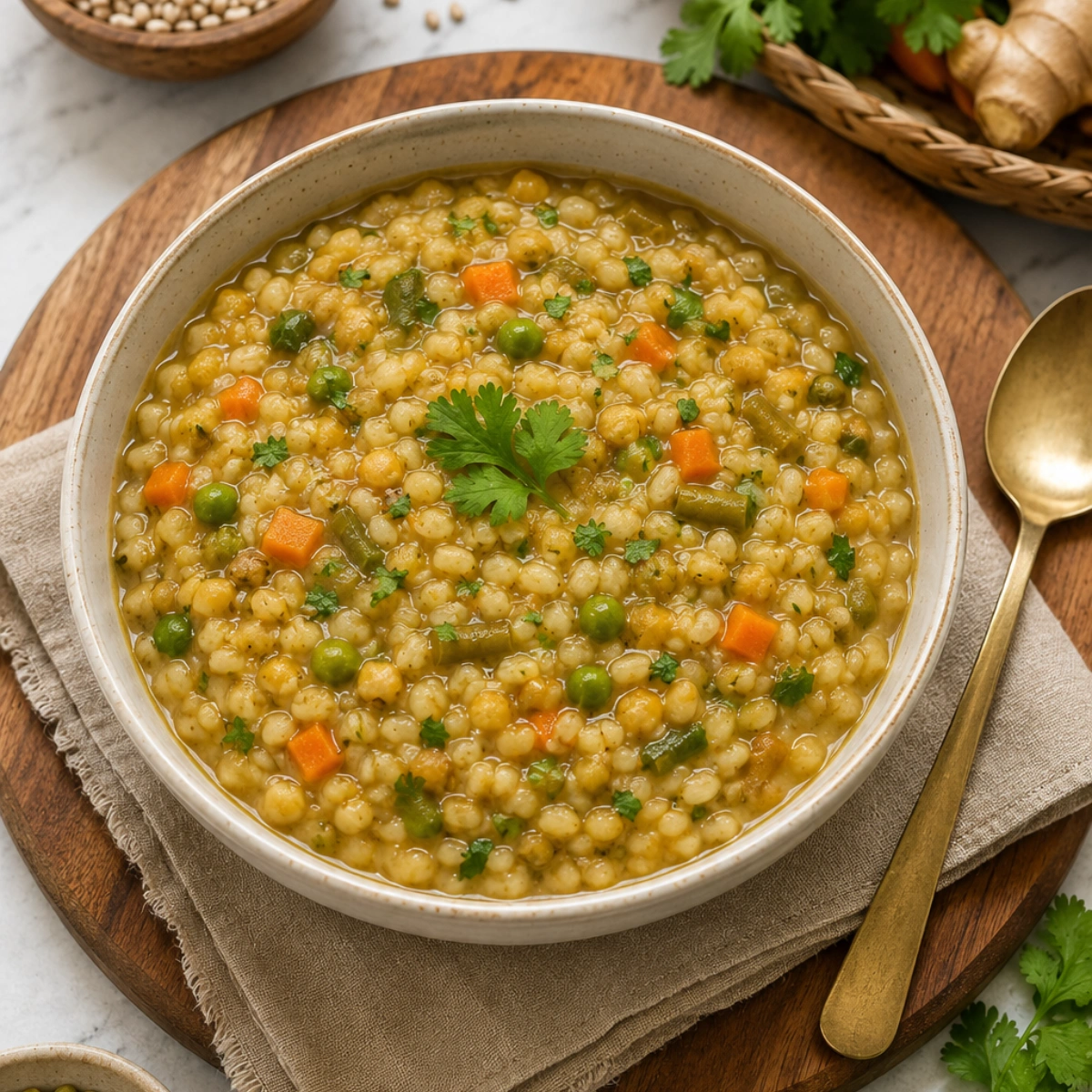

Belly-Fat Friendly Barley Vegetable Khichdi
Ingredients
Method
- Soak the Barley: Wash the pearl barley thoroughly 2-3 times in running water. Soak it in warm water for at least 30 minutes. (Soaking reduces cooking time and helps in better nutrient absorption). Wash and rinse the moong dal together. Drain the water completely and keep it aside.
- Tempering (Thalippu): Heat 1 teaspoon of ghee in a small pressure cooker over medium heat. Add cumin seeds and let them splutter. Add the pinch of hing, grated ginger, and green chili. Sauté for 30 seconds until the raw aroma disappears.
- Sauté Aromatics & Veggies: Add the chopped onions and cook until translucent. Toss in the tomatoes and cook for a minute until they soften. Now, add the mixed vegetables (carrot, beans, peas) along with turmeric powder and salt. Sauté the veggies for 2 minutes on medium heat.
- Add Grains & Water: Add the soaked, drained barley and moong dal into the cooker. Mix gently so that the grains are coated with the spices. Pour in 2.5 cups of water and stir well. Taste the water; it should taste slightly salty.
- Pressure Cook: Close the pressure cooker lid. Cook on medium heat for 4 to 5 whistles. Once done, turn off the flame and let the pressure release naturally.
- The Final Touch: Open the lid and gently mash the khichdi with a ladle to get a creamy consistency. Garnish with plenty of fresh coriander leaves and squeeze a few drops of fresh lemon juice for a tangy twist. Serve hot!
Notes
- Belly Fat Booster Tip: Barley contains beta-glucan fiber, which forms a gel-like substance in the gut, slowing down digestion and keeping insulin levels stable. This directly targets visceral (belly) fat storage.
- Meal Prep Option: You can dry roast a batch of barley and moong dal beforehand and store it. This cuts down morning prep work significantly.
- Instant Pot Method: If using an Instant Pot, cook on 'High Pressure' for 15 minutes and allow natural pressure release.
Also Read: Check out our popular No-Rice Indian Dinner Ideas for Weight Loss for more healthy meal inspiration.
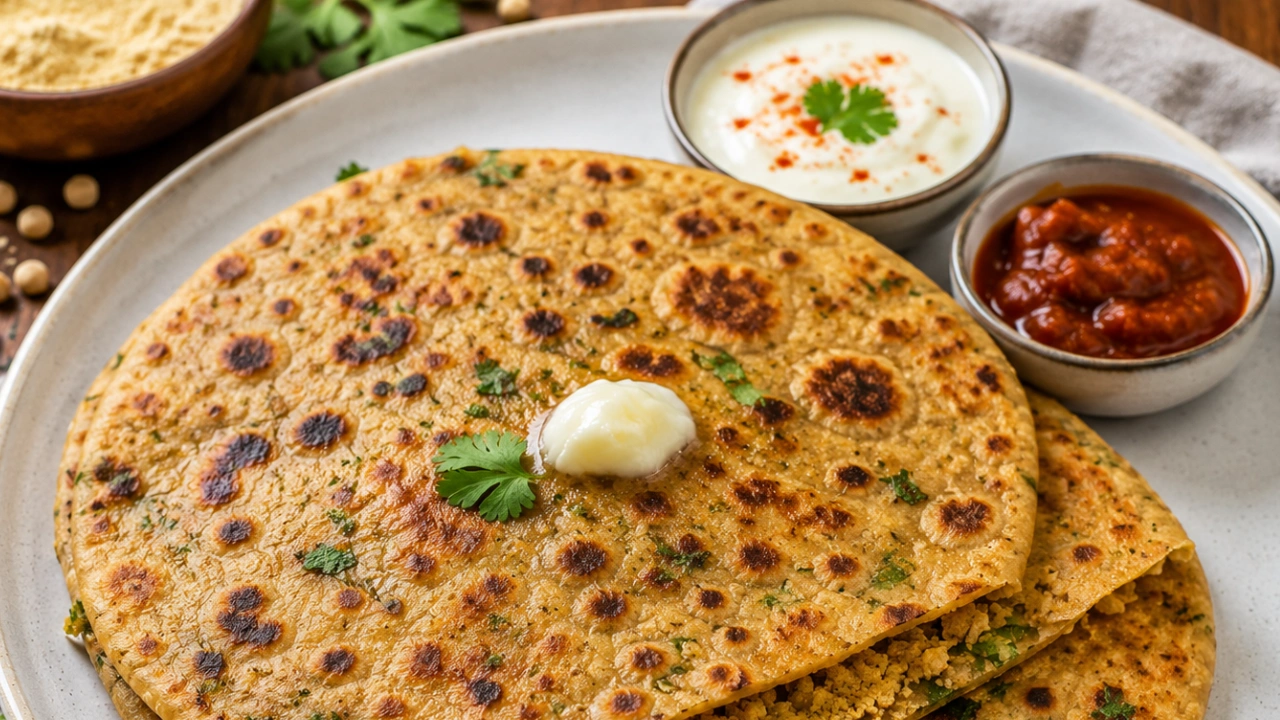
3. Protein-Packed Sattu Paratha (No Potato Filling)
If you’re someone who wants a proper, satisfying Indian breakfast rather than a very light meal, sattu paratha is a great option.
Sattu is made from roasted gram and is a traditional ingredient that works particularly well in savory fillings.
Instead of the usual potato filling, this version uses sattu with onion, green chilli, amchur, coriander, and spices.
Why I Like Sattu for Breakfast
Sattu gives the paratha a nutty, savory filling and adds plant-based protein and fiber.
It also makes the breakfast feel more substantial without needing a heavy side dish.
Ingredients
For the Dough
- 1 cup whole wheat flour
- Water as needed
For the Filling
- ½ cup sattu flour
- 1 small onion, finely chopped
- 1 green chilli, chopped
- ½ tsp amchur powder
- Fresh coriander
- Salt to taste
How to Make It
- Prepare a soft whole wheat dough.
- Mix all the filling ingredients together.
- Divide the dough and add the sattu filling.
- Seal and gently roll into a paratha.
- Cook on a hot tawa.
- Use a measured amount of oil or ghee and cook both sides until golden.
Approximate Nutrition
For 1 medium paratha:
- Calories: ~210 kcal
- Protein: ~10 g
- Carbohydrates: ~32 g
- Fat: ~4 g
My Serving Suggestion
I would keep the side dish simple.
Try serving it with:
- Plain curd
- Mint-coriander chutney
- Cucumber
- Onion and tomato salad
This keeps the meal satisfying without needing a large amount of pickle, butter, or other calorie-dense sides.
4. Light & Fluffy Rava Dhokla
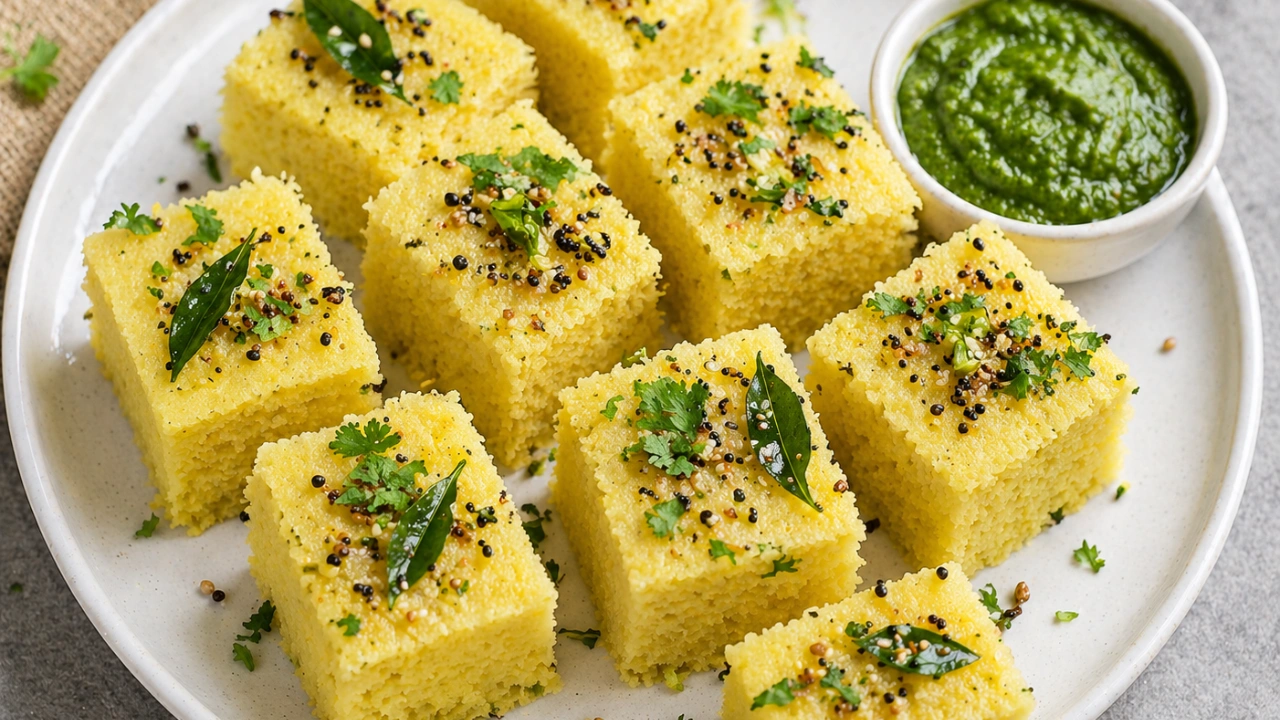
When I want something light and soft, steamed foods are often more appealing than fried breakfast dishes.
That’s where rava dhokla fits nicely.
This version uses rava, curd, and Eno and is steamed rather than fried.
Why Choose Steamed Breakfasts?
Steaming allows you to prepare the dhokla without frying it in a large amount of oil.
The texture is soft and light, making it a good option when you don’t want a heavy breakfast.
Ingredients
- 1 cup rava
- ½ cup curd
- Water as required
- 1 tsp fruit salt (Eno)
- Salt to taste
Quick Cooking Method
- Mix rava, curd, and salt.
- Add enough water to make a suitable batter.
- Let the batter rest for about 15 minutes.
- Gently mix in the fruit salt.
- Transfer the batter to a greased steaming tray.
- Steam for about 15–20 minutes, or until cooked.
- Let it cool slightly before cutting.
Approximate Nutrition
For 3 pieces:
- Calories: ~150 kcal
- Protein: ~5 g
- Carbohydrates: ~25 g
- Fat: ~3 g
My Tip
If you’re trying to keep the overall meal lighter, coriander-mint chutney is a simple accompaniment.
Also Read: Check out our popular No-Rice Indian Lunch Ideas for Weight Loss for more healthy meal inspiration.
5. Sprouts & Paneer Tikki
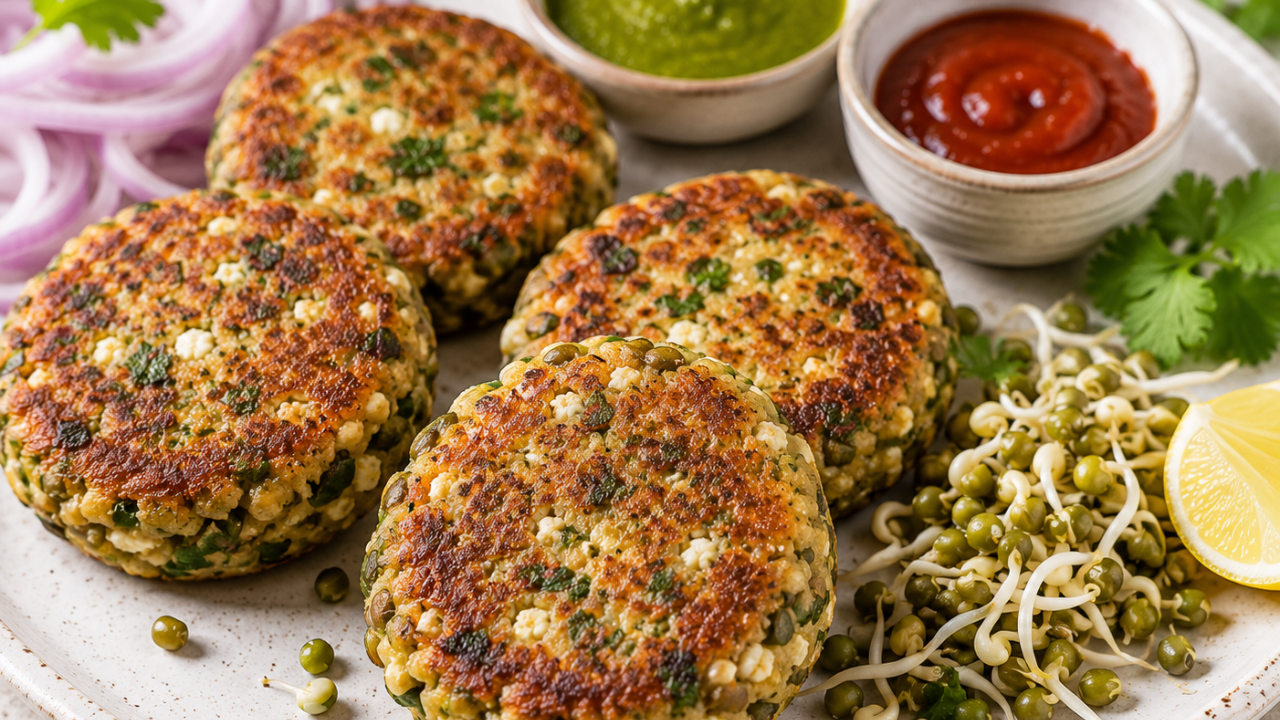
If protein is your main priority at breakfast, this is the option I’d put near the top of the list.
The combination of moong sprouts and paneer gives these tikkis a nice mix of plant protein, dairy protein, and fiber.
And because they are pan-fried with a small amount of oil instead of deep-fried, they can be a lighter alternative to traditional cutlets.
Why This Combination Works
Paneer makes the tikkis more substantial, while sprouts add texture and fiber.
You can also adjust the seasoning depending on your preference.
Ingredients
- 1 cup steamed moong sprouts
- 50 g low-fat paneer
- 1 small onion
- Fresh coriander
- Green chilli
- Salt and spices
Quick Cooking Method
- Steam the sprouts until tender.
- Mash the sprouts and paneer together.
- Add onion, coriander, chilli, salt, and spices.
- Shape the mixture into small patties.
- Heat a tawa and add a small amount of oil.
- Pan-fry until golden on both sides.
Approximate Nutrition
For 2 tikkis:
- Calories: ~170 kcal
- Protein: ~12 g
- Carbohydrates: ~12 g
- Fat: ~7 g
My Tip
Serve these with cucumber and tomato salad or a simple mint chutney.
If you are hungry after a very light breakfast, increasing the vegetable side can make the meal feel more satisfying without relying only on more bread or paratha.
Which of These Rice-Free Breakfasts Keeps You Full the Longest?
If your main goal is to avoid getting hungry soon after breakfast, I would prioritize the options that contain a good combination of protein and fiber.
My practical order would be:
1. Sprouts & Paneer Tikki – a good choice when you want more protein and fiber.
2. Sattu Paratha – especially useful when you want something more substantial and don’t want a very light breakfast.
3. Barley Vegetable Khichdi – my choice when I want something warm, soft, and comforting.
4. Besan Bread Toast – great when I need breakfast quickly.
5. Rava Dhokla – light and easy to eat, especially when I don’t want a heavy breakfast.
Of course, how filling a meal feels depends on your portion size, ingredients, and what you eat alongside it.
Rice-Free Does Not Automatically Mean Low-Calorie
This is something I think is worth mentioning because it is easy to misunderstand.
Removing rice from breakfast does not automatically make a meal suitable for weight loss.
For example, a large portion of bread, paratha, poha, or another flour-based breakfast can still provide a substantial number of calories.
Instead of focusing only on “no rice,” I prefer looking at the whole plate.
A simple way to think about it is:
Protein + vegetables/fiber + controlled carbohydrate portion = a more balanced breakfast.
That is why I like adding vegetables to the besan batter, serving a filling salad alongside tikkis, or adding extra vegetables to barley khichdi.
How I Would Serve These Breakfasts
You don’t need a complicated side dish for these recipes.
Besan Bread Toast
I would pair it with:
- Mint-coriander chutney
- Cucumber or tomato slices
- A cup of tea or coffee without adding too much sugar
Barley Vegetable Khichdi
Try serving it with:
- Plain curd
- Cucumber
- Coriander
- A little lemon juice
Sattu Paratha
Instead of automatically adding lots of pickle or butter, try:
- Plain curd
- Mint chutney
- Cucumber and onion salad
Rava Dhokla
It works well with:
- Coriander-mint chutney
- Green chutney
- Fresh cucumber
Sprouts & Paneer Tikki
My favourite type of pairing for a light meal would be:
- Cucumber salad
- Tomato and onion
- Mint chutney
- Plain curd
These small additions can make a lighter breakfast feel like a proper meal rather than something you are eating just because you are trying to lose weight.
Common Mistakes When Choosing a “Healthy” Breakfast
1. Eating too little
A very small breakfast may look low in calories, but if you are hungry again an hour later, it may not be practical for you.
2. Ignoring protein
Simply removing rice isn’t enough. Adding protein-rich ingredients such as besan, dal, sprouts, paneer or curd can make the meal more satisfying.
3. Using too much oil
A healthy recipe can become much more calorie-dense if you use a lot of oil while cooking. For these recipes, I prefer using a measured amount rather than pouring oil directly from the bottle.
4. Making every meal “diet food”
I don’t think healthy eating should mean eating bland food every morning. If the food doesn’t taste good, it becomes difficult to follow consistently.
5. Forgetting portion size
Even nutritious foods can contribute a lot of calories when portions become very large. I find it more useful to focus on a reasonable serving instead of completely avoiding particular foods.
Which One Should You Try First?
If you are completely new to rice-free breakfasts, I would start with the Besan Bread Toast because it is one of the quickest options in this list.
If you want something more filling, try the Sattu Paratha.
For a warm one-pot breakfast, choose the Barley Vegetable Khichdi.
If you prefer something soft and steamed, the Rava Dhokla is a good option.
And if protein and fiber are your priority, the Sprouts & Paneer Tikki is worth trying.
You don’t have to eat a different breakfast every day. I would rather rotate two or three options that are easy for you to prepare than collect dozens of recipes that you never actually make.
Frequently Asked Questions
Is a rice-free breakfast good for weight loss?
A rice-free breakfast can be part of a weight-loss diet, but avoiding rice alone does not guarantee weight loss. Overall calorie intake, portion size, protein, fiber, and your complete diet matter.
What can I eat instead of rice for breakfast?
You can use ingredients such as besan, barley, sattu, rava, sprouts, paneer, vegetables, and whole wheat bread to make different Indian breakfast options without rice.
What is the best high-protein Indian breakfast without rice?
Besan-based dishes, sattu paratha, and sprouts with paneer are good options because they provide protein from ingredients such as gram flour, roasted chana, sprouts, and paneer.
Can I eat these breakfasts every day?
You can rotate these options rather than eating the same breakfast every day. Changing the vegetables, side dishes, and protein sources can also make your meals more varied.
Is rice bad for weight loss?
Rice itself is not automatically bad for weight loss. Portion size and your overall calorie intake matter more. If you enjoy rice, you can still include an appropriate portion as part of a balanced diet.
What is the best Indian breakfast for busy mornings?
For a very busy morning, Besan Bread Toast is one of the quickest options in this list. If you have prepared ingredients available, Sprouts & Paneer Tikki can also be convenient.
A Note From My Kitchen
I don’t believe healthy breakfast has to mean giving up the foods you enjoy.
For me, the easiest approach is to make small changes that I can actually continue. Instead of thinking, “I can never eat rice for breakfast again,” I prefer having a few simple alternatives ready for the mornings when I want something lighter.
Some days call for a quick besan toast. Other days, I want a warm bowl of khichdi. And sometimes I simply want a proper paratha with curd.
The goal isn’t to make breakfast perfect. It is to find a few simple meals that are filling, tasty, and realistic enough to make again and again.
If you are trying to reduce rice at breakfast, start with just one of these recipes and see which one fits your routine best.
Final Thoughts
A low-calorie Indian breakfast without rice doesn’t have to be boring or complicated.
From quick Besan Bread Toast and warm Barley Vegetable Khichdi to filling Sattu Paratha, light Rava Dhokla, and protein-rich Sprouts & Paneer Tikki, there are plenty of options to rotate through your mornings.
If you’re trying to lose weight, focus on the bigger picture rather than simply removing rice. Pay attention to portion size, protein, vegetables, cooking oil, and how satisfied the meal leaves you.
Start with one recipe that fits your routine, make it your own, and build from there.
Healthy breakfast doesn’t have to be perfect. It just has to be practical enough to make again tomorrow.