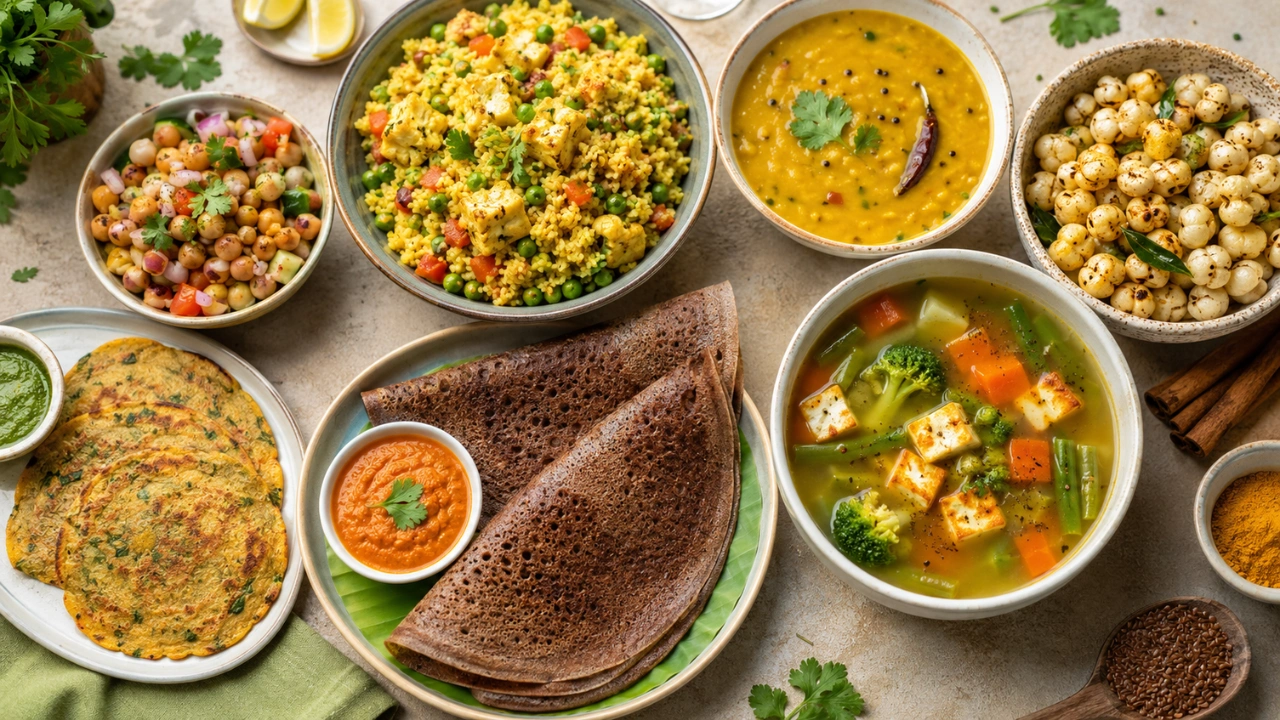
What Does a PCOS-Friendly Indian Diet Actually Mean?
When I first started looking into PCOS-friendly food, I noticed that almost every diet plan seemed to say the same thing: stop eating rice, avoid carbs, eat salads, and choose “healthy” foods.
But honestly, that is not very practical for an Indian home.
Rice, roti, dosa, idli, dal, curd and vegetables are part of our everyday meals. I don’t think a healthy PCOS-friendly diet should mean completely giving up the foods we are used to eating.
For me, the more practical approach is to look at what goes on the plate, how much we eat, and what we pair our carbohydrates with.
Instead of having a large plate of plain rice, for example, you can have a moderate portion of rice with dal, vegetables, curd and a protein source. The same idea can be applied to dosa, roti, poha or millet-based meals.
The goal is not to make Indian food boring. It is to make everyday meals more balanced and filling.
Can You Eat Rice If You Have PCOS?
Yes. You don’t necessarily have to completely eliminate rice just because you have PCOS.
This is one of the things I would personally avoid making too complicated. Rice is a normal part of many Indian meals, and completely removing it can make a diet difficult to follow long term.
Instead, pay attention to portion size and meal pairing.
For example, rather than eating a large serving of white rice with very little protein or vegetables, try:
- A smaller serving of rice
- Dal or sambar
- Plenty of vegetables
- Curd
- Eggs, fish, chicken, paneer or another protein source
You can also rotate rice with foods such as brown rice, millets, oats, quinoa or whole-wheat dishes depending on your preference.
There is no single “PCOS rice” that everyone has to eat. Consistency and an overall balanced eating pattern matter much more than finding one magical grain.
How I Build a PCOS-Friendly Indian Plate
One simple method I like is to avoid making the carbohydrate the entire meal.
A balanced plate can look something like this:
½ plate: vegetables or salad
¼ plate: protein such as dal, chickpeas, paneer, tofu, eggs, chicken or fish
¼ plate: carbohydrate such as rice, roti, millet, oats or another whole-grain food
You don’t have to measure every meal with a weighing scale.
Even when I’m busy, I find it easier to think about the plate this way instead of trying to follow a complicated diet chart.
For example, if I’m making chapati for dinner, I would rather add a vegetable sabzi and a protein-rich curry than simply eat several chapatis with pickle.
That small change makes the meal much more satisfying.
Best Indian Foods to Include in a PCOS-Friendly Diet
There is no single food that can “cure” PCOS. But building meals around minimally processed, nutrient-dense foods can make it easier to maintain a balanced eating pattern.
Protein-Rich Indian Foods
Try to include a protein source regularly:
- Eggs
- Fish
- Chicken
- Paneer
- Tofu
- Greek yogurt or thick curd
- Moong dal
- Masoor dal
- Toor dal
- Chickpeas
- Rajma
- Sprouts
- Soy-based foods
If your breakfast is mostly carbohydrates, such as plain dosa, idli or bread, adding sambar, eggs, curd or another protein source can make the meal more balanced.
Best Vegetables for a PCOS-Friendly Indian Diet
Vegetables are one of the easiest ways to add volume, fiber and nutrients to your meals without making food complicated.
Some everyday options include:
- Spinach
- Drumstick
- Beans
- Carrot
- Cauliflower
- Cabbage
- Brinjal
- Bottle gourd
- Ridge gourd
- Bitter gourd
- Ladies’ finger
- Capsicum
- Tomato
- Cucumber
- Green peas
You don’t need expensive “superfoods.”
Most of these vegetables are already available in a regular Indian kitchen.
What About Fruits?
Fruit does not automatically become unhealthy because you have PCOS.
Whole fruits provide fiber and nutrients, so they can be included as part of a balanced diet.
Some practical choices include:
- Apple
- Guava
- Orange
- Papaya
- Pear
- Berries when available
- Pomegranate
- Kiwi
I personally prefer whole fruit instead of fruit juice because whole fruit is more filling and retains its fiber.
Instead of drinking a large glass of packaged or homemade fruit juice, having a whole fruit as a snack is a much simpler everyday habit.
A Simple 7-Day PCOS-Friendly Indian Meal Plan
This is an example of how you can combine the recipes and food ideas in this article. Portions should be adjusted according to your individual needs, hunger, activity level and advice from your healthcare professional.
🌸 7-Day PCOS-Friendly Indian Meal Plan
Simple, balanced Indian meals you can actually follow at home
| 📅DAY | 🌅BREAKFAST | 🍛LUNCH | 🥜SNACK | 🌙DINNER |
|---|---|---|---|---|
| MONDAY | Ragi Dosa + Sambar |
Rice + Dal + Vegetables + Curd |
Roasted Chana |
Roti + Chicken Curry + Vegetables |
| TUESDAY | Moong Dal Chilla + Curd |
Foxtail Millet Pulao + Paneer |
Fruit + Nuts |
Vegetable Soup + Paneer |
| WEDNESDAY | Vegetable Oats + Eggs |
Brown Rice + Fish Curry + Vegetables |
Roasted Makhana |
Roti + Dal + Sabzi |
| THURSDAY | Idli + Sambar |
Rice + Chickpea Curry + Vegetables |
Chana Chaat |
Millet Roti + Vegetable Curry |
| FRIDAY | Ragi Dosa + Egg |
Millet Pulao + Chicken |
Fruit + Curd |
Dal + Roti + Vegetables |
| SATURDAY | Vegetable Poha + Curd |
Rice + Fish/Chicken + Vegetables |
Roasted Makhana |
Paneer/Tofu Curry + Roti |
| SUNDAY | Moong Dal Chilla |
Home-Cooked Balanced Lunch |
Fruit + Nuts |
Light Vegetable Soup + Protein |
- You don’t have to follow this meal plan perfectly.
- Use it as a starting point and adjust portions and food choices according to your
- hunger, activity level, preferences, and individual nutritional needs.
PCOS-Friendly Indian Breakfast Ideas
Breakfast doesn’t have to be complicated.
Here are some combinations I would actually consider practical for a busy Indian morning:
1. Ragi Dosa + Sambar
Your sprouted ragi dosa becomes more balanced when served with protein-rich sambar and vegetables.
Ingredients
- 1 cup sprouted ragi flour
- ½ cup curd
- Water as needed
- Salt
Method
- Create a smooth batter by combining all the ingredients.
- Take a fifteen-minute break.
- Pour onto a heated dosa tawa.
- Cook until crisp.
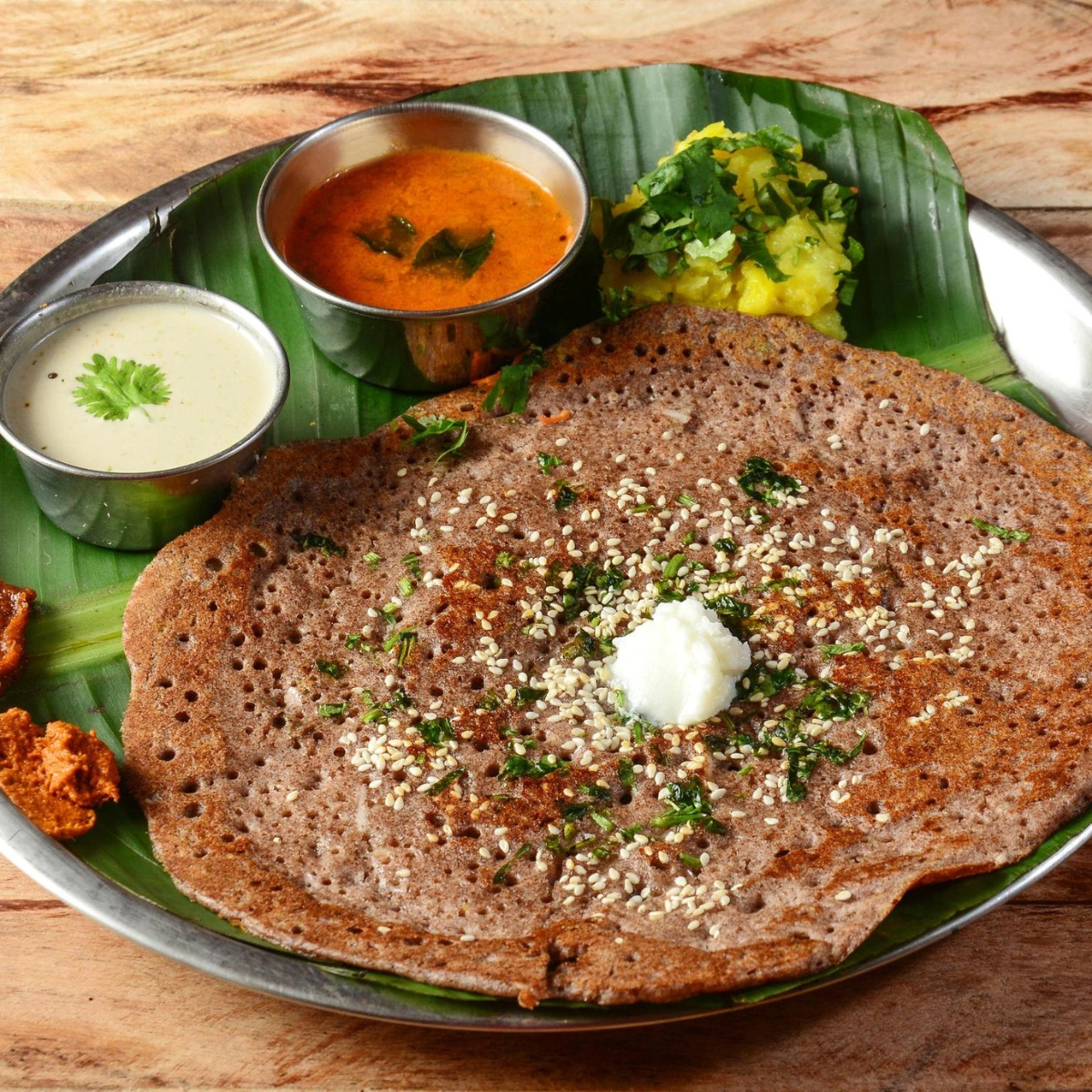

Crispy Sprouted Ragi Dosa (Instant PCOS-Friendly Recipe)
Ingredients
Method
- Prep - 5 min.
- In a large mixing bowl, combine the sprouted ragi flour, rava (if using), curd, and salt. Add 1 cup of water and whisk thoroughly to ensure there are no lumps.
- Batter Consistency - 10 min.
- Add the chopped onions, green chillies, ginger, cumin seeds, curry leaves, and coriander to the bowl. Pour in the remaining water. The consistency must be very thin and watery, identical to Rava Dosa batter. Let it rest for 10 minutes so the flour absorbs the moisture.
- Cooking - 3 min per dosa.
- Heat a non-stick or well-seasoned iron tawa on medium-high heat. Mix the batter well from the bottom before pouring. Ladle the batter starting from the outer edges of the tawa and moving toward the center. Fill in any large gaps, but leave small holes for steam to escape.
- Final Touch - 2 min.
- Drizzle half a teaspoon of cold-pressed oil or ghee around the edges. Cook on medium heat until the edges lift naturally and the base turns a deep brownish-maroon color. Flip and cook the other side for 1 minute if needed. Serve hot and crispy.
Notes
- Why Sprouted Ragi? Sprouting ragi increases its bioavailable iron and reduces phytates, making it significantly easier to digest. It possesses a very low Glycemic Index, which prevents sudden insulin spikes.
- Serving Suggestion: Serve this hot alongside an Anti-inflammatory Mint-Coconut Chutney or a protein-rich Sprouted Moong Dal Curry to make it a fully balanced meal.
Why It’s Beneficial
Rich in fiber, calcium, and minerals, ragi promotes consistent energy levels and lessens sugar surges in the morning.
2. Oats & Moong Dal Chilla
Ingredients
- 1 cup soaked moong dal
- ½ cup oats
- Ginger
- Green chilli
- Salt
Method
- Make a smooth batter by blending everything together.
- On a hot pan, spread like a pancake.
- Cook on both sides.
Why It’s Beneficial
This high-protein meal helps avoid midmorning cravings and keeps you full for hours.
Also Read: Check out our popular No-Rice Indian Breakfast Ideas for Weight Loss for more healthy meal inspiration.
3. Vegetable Oats Upma + Eggs
Adding eggs gives a protein boost to an otherwise carbohydrate-heavy breakfast.
4. Vegetable Poha + Curd
Add plenty of vegetables and peanuts, and pair it with curd for a more satisfying meal.
5. Idli + Sambar
You don’t have to completely remove idli. Instead, focus on the combination and portion.
This is something I find much easier to follow than trying to completely avoid traditional South Indian breakfast foods.
Easy PCOS-Friendly Indian Lunch Ideas
Lunch is where many Indian meals can become carbohydrate-heavy without us realizing it.
A simple lunch could be:
Option 1
Rice + dal + vegetable poriyal + curd
Option 2
Foxtail millet + paneer vegetable curry + salad
Option 3
2 whole-wheat rotis + chicken curry + vegetables
Option 4
Brown rice + fish curry + vegetable stir-fry
Option 5
Chickpea salad + curd + vegetable soup
The important thing is not to make every meal “diet food.”
It is much easier to stay consistent when the food still looks and tastes like normal home cooking.
Lunch: Balanced Macronutrients
1. Paneer & Vegetable Millet Pulav
Ingredients
- 1 cup cooked foxtail millet
- 100g paneer cubes
- Mixed vegetables
- Whole spices
Method
- Blend everything together to get a smooth batter.
- Spread like a pancake on a hot pan.
- Cook on both sides.
Why It’s Advantageous
This high-protein lunch keeps you satisfied for hours and helps prevent midmorning cravings.
2. Cauliflower Rice with Tadka Dal
Ingredients
- Grated cauliflower
- Cooked moong dal
- Garlic
- Cumin
- Curry leaves
Method:
- For four to five minutes, gently sauté the cauliflower.
- Make a basic dal tadka.
- Serve with stir-fried greens.
Why It’s Beneficial
A nutrient-dense, low-carb dinner that is perfect for controlling blood sugar and weight.
Also Read: Check out our popular No-Rice Indian Lunch Ideas for Weight Loss for more healthy meal inspiration.
PCOS-Friendly Evening Snacks
This is the time when many otherwise balanced diets go off track.
I know how easy it is to reach for biscuits with tea when you’re hungry in the evening.
Instead, keep a few simple options ready:
- Roasted makhana
- Roasted chana
- Boiled eggs
- Chana chaat
- Fruit + a small handful of nuts
- Sprouts chaat
- Curd with seeds
- Homemade sundal
- Vegetable soup
If you drink tea in the evening, you don’t necessarily need to stop drinking tea. The bigger issue can be what you regularly eat along with it.
A cup of tea with several biscuits every evening can easily become an automatic habit.
Evening Snacks: Smart Cravings Management
1. Roasted Makhana with Pepper & Turmeric
Ingredients
- 2 cups makhana
- 1 tsp ghee
- Pepper powder
- Turmeric
- Salt
Method
- In a pan, warm the ghee.
- Makehana should be roasted till crispy.
- Mix in the spices.
Why It’s Beneficial
A tasty, crispy snack that is much healthier than biscuits or chips.
2. Tangy Chana Chaat
Ingredients
- Boiled chickpeas
- Onion
- Tomato
- Cucumber
- Lemon juice
- Coriander
Method
- Combine all the ingredients.
- Before serving, add the lemon juice.
Why It’s Beneficial
delivers nutritious carbohydrates, fiber, and protein without inducing a sugar crash.
Dinner: Light & Lean
1. Vegetable Soup with Pan-Seared Paneer
Ingredients
- Mixed vegetables
- Garlic
- Pepper
- Paneer cubes
Method
- Vegetables should be simmered till tender.
- For texture, partially blend.
- Paneer cubes should be pan-seared.
- Serve all at once.
Why It’s Beneficial
Rich in vitamins and protein, but easy to digest.
2. Multi-Grain Rotis with Clean Chicken Curry
Vegetarian Substitute:
Tofu Curry or Masala with Mushrooms
Why It’s Beneficial
Lean protein and whole carbohydrates work together to promote nighttime recuperation and maintain stable blood sugar levels.
Also Read: Check out our popular No-Rice Indian Dinner Ideas for Weight Loss for more healthy meal inspiration.
What About Tea and Coffee With PCOS?
You don’t automatically have to give up tea or coffee because of PCOS.
The main thing I would watch is the amount of added sugar and what you eat along with the drink.
For example:
Instead of:
Tea + 4–5 biscuits
Try:
Tea with little or no added sugar + roasted chana / nuts / boiled egg / fruit
This is a much more realistic change than suddenly deciding you will never drink tea again.
Common PCOS Diet Mistakes I Would Avoid
1. Completely Avoiding Carbohydrates
Carbohydrates are not automatically “bad.”
The better approach is to choose appropriate portions and pair them with protein, vegetables and fiber.
2. Eating Too Little
Trying to survive on salads and fruit throughout the day can leave you extremely hungry later.
A sustainable diet should still be satisfying.
3. Depending on “PCOS Superfoods”
There is no single seed, spice, millet or drink that can fix PCOS.
Chia seeds, cinnamon, turmeric, ragi and other nutritious foods can be part of a healthy diet, but they should not be treated as cures.
4. Drinking Calories Without Realizing It
Sugary tea, coffee, soft drinks and packaged juices can add a lot of sugar without making you feel as full as a proper meal.
5. Following a Diet That Is Too Difficult
If a diet requires completely separate cooking for yourself every day, it can become difficult to maintain.
I prefer making small changes to the food already being prepared at home.
Foods to Avoid or Limit with PCOS
Limiting these foods can significantly improve insulin sensitivity and hormone balance.
Refined Flours
- Parotta
- White Bread
- Bakery Items
- Naan made with maida
Hidden Sugars
- Sweet tea and coffee
- Packaged fruit juices
- Soft drinks
- Traditional sweets made with white sugar
Deep-Fried Foods
- Samosa
- Pakoda
- Chips
- Commercial namkeen
Processed Snacks
- Cookies
- Cakes
- Sugary cereals
My Simple Rule for Making Indian Food More PCOS-Friendly
If I had to simplify everything in this article into just a few rules, these would be my go-to habits:
- Don’t make carbohydrates the whole meal.
- Add protein to breakfast.
- Include vegetables in lunch and dinner.
- Choose whole or minimally processed foods more often.
- Keep added sugar and highly processed snacks occasional.
- Don’t completely ban foods unless your doctor or dietitian has specifically advised you to.
And most importantly, choose a way of eating that you can actually continue.
A perfect diet followed for five days is not as useful as a balanced eating pattern that you can maintain for months.
Frequently Asked Questions
Is ragi good for PCOS?
Ragi can be included in a balanced PCOS-friendly diet. It provides fiber and minerals, but it should not be considered a treatment for PCOS. Pairing ragi-based foods with protein and vegetables can make the overall meal more balanced.
Is rice bad for PCOS?
Rice does not automatically need to be eliminated. Portion size, the type of rice, the rest of the meal and your individual nutritional needs all matter.
Can I eat dosa if I have PCOS?
Yes. Instead of focusing only on removing dosa, consider making the meal more balanced by choosing a protein-rich side such as sambar, eggs, curd or another protein source.
Which breakfast is best for PCOS?
There is no single best breakfast for everyone with PCOS. A breakfast containing protein, fiber and a suitable carbohydrate source can be a practical choice.
Can I eat fruit with PCOS?
Whole fruit can be included in a balanced diet. Whole fruits are generally a better everyday choice than sugary fruit drinks or packaged juices.
Should I completely stop sugar?
Reducing added sugar is a sensible goal, but you don’t necessarily need to think in terms of perfection. Start with the foods and drinks where added sugar is easiest to reduce, such as sweetened tea, coffee, soft drinks and packaged drinks.
Can I eat Indian sweets with PCOS?
Indian sweets can be enjoyed occasionally, but they are generally high in added sugar and/or refined carbohydrates. The goal is moderation rather than making one food completely forbidden.
Is PCOS the same for everyone?
No. PCOS can present differently from one person to another. Weight, insulin sensitivity, menstrual symptoms, medications, activity levels and other factors can vary considerably. That is why an individualized plan from a qualified healthcare professional can be more appropriate than following a generic internet diet.
A Note From My Kitchen
I don’t believe healthy Indian food has to mean eating bland salads all day.
As someone who cooks Indian food at home, I know how difficult it can be to follow a diet that requires completely different meals from the rest of the family.
That’s why I prefer simple changes.
Instead of removing rice completely, I focus on the portion and what I serve with it.
Instead of skipping dosa, I add a protein-rich side.
Instead of having biscuits every time I make tea, I try to keep roasted chana, makhana, fruit or nuts available.
These changes may look small, but they are much easier to continue than a strict diet that feels completely different from normal Indian cooking.
For me, the best PCOS-friendly meal is not the one that looks perfect on Instagram. It’s the one I can realistically make, eat and repeat.
Final Thoughts
A PCOS-friendly Indian diet does not have to be complicated, expensive or completely different from the food you already cook at home.
Focus on balanced meals with protein, vegetables, fiber and sensible portions of carbohydrates. Choose minimally processed foods more often, keep sugary drinks and highly processed snacks occasional, and build habits that you can realistically maintain.
Most importantly, food can support overall health, but diet alone does not cure PCOS. If you have PCOS or are experiencing symptoms, work with your doctor or a registered dietitian for advice tailored to your individual needs.
Disclaimer: This article is for general informational purposes only and is not medical advice. PCOS can affect people differently, and nutritional needs vary. If you have PCOS, insulin resistance, diabetes, are pregnant, or take medications, speak with a qualified healthcare professional before making major dietary changes.